Taxa Info
Yellow-banded Leafroller Parasitoid Wasp
(Xanthopimpla rhopaloceros)
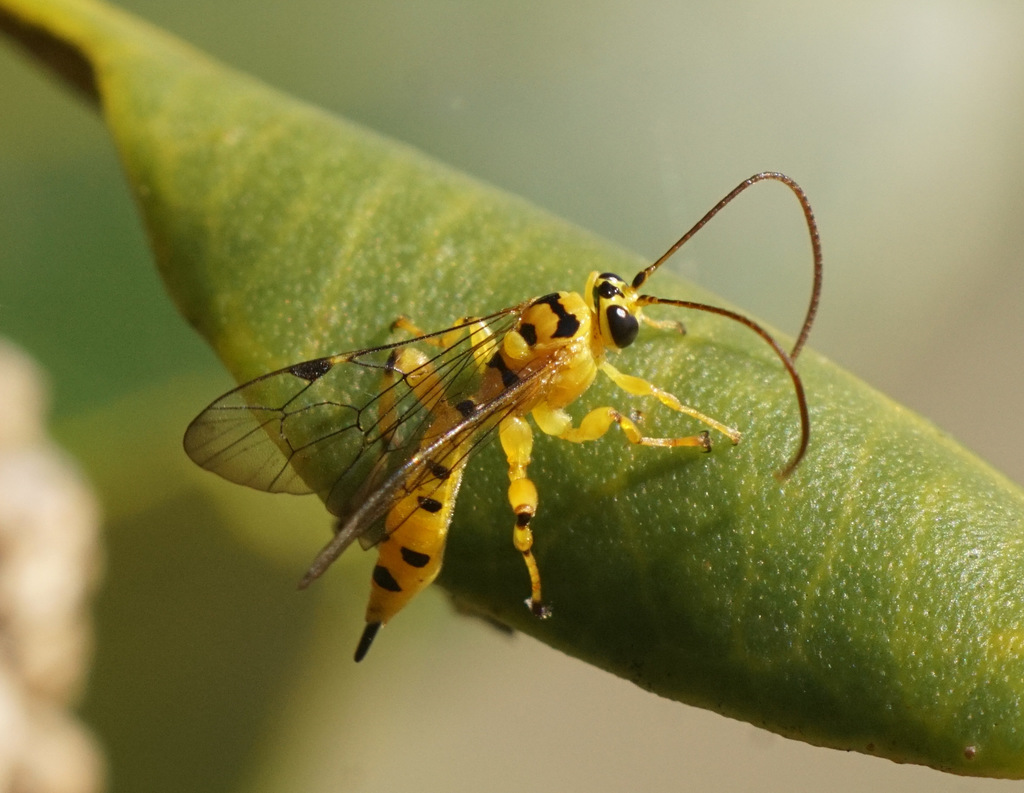
saotrar48mdg observed one on 2026-10-06 in Ranomafana, MG-FI-VF, MG-FI, MG
Silver Banksia
(Banksia marginata)
←
·
·
·
·
·
·
·
·
·
·
·
→
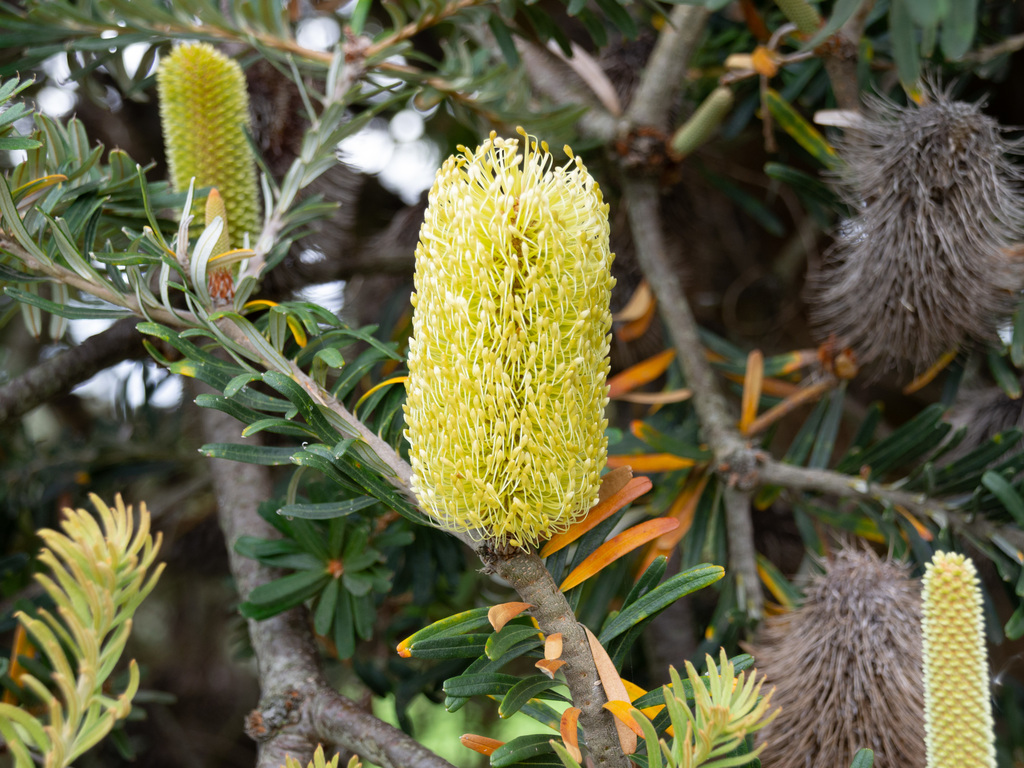
Banksia marginata, commonly known as the silver banksia, is a species of tree or woody shrub in the plant genus Banksia found throughout much of southeastern Australia. It ranges from the Eyre Peninsula in South Australia, to north of Armidale, New South Wales, and across Tasmania and the islands of Bass Strait. It grows in various habitats, including Eucalyptus forest, scrub, heathland and moorland. Banksia marginata varies widely in habit, ranging from
Learn more »
thomasb23 observed one on 2026-10-06 in Kyeema, SA, AU
Large Flying-Fox
(Pteropus vampyrus)
←
·
·
·
·
·
·
·
·
·
·
·
→
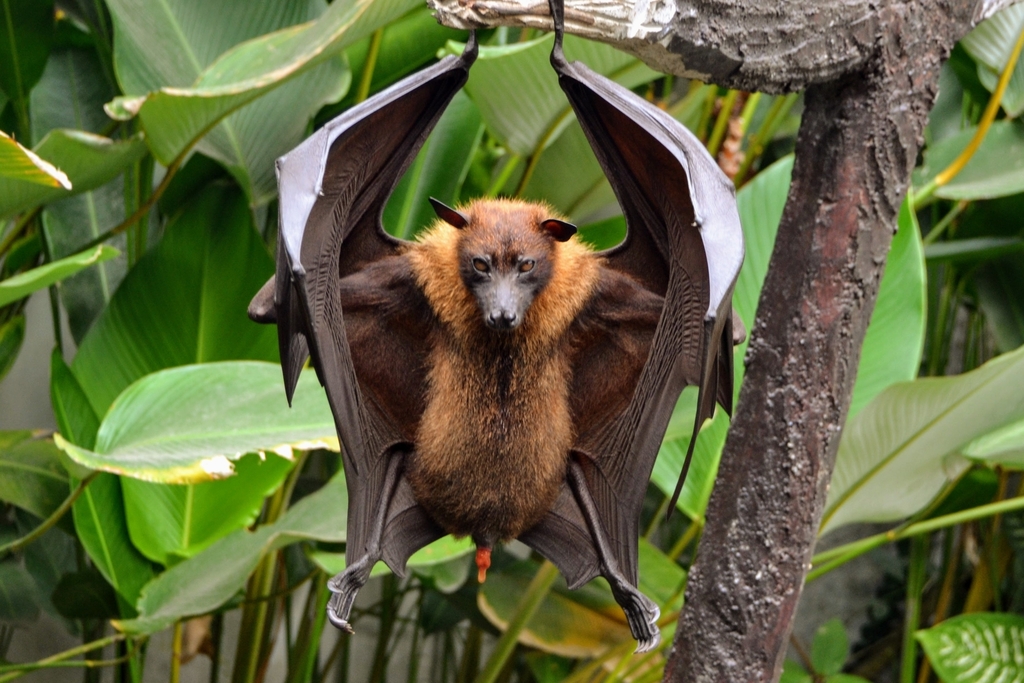
The large flying fox (Pteropus vampyrus), also known as the greater flying fox, Malayan flying fox, Malaysian flying fox, large fruit bat, kalang or kalong, is a southeast Asian species of megabat in the family Pteropodidae. Like the other members of the genus Pteropus, or the Old World fruit bats, it feeds exclusively on fruits, nectar and flowers (despite its scientific name). It is noted for being one of the largest bats. As with n
Learn more »
ziemix observed one on 2026-02-27 in Thailand
Watershield
(Brasenia schreberi)
←
·
·
·
·
·
·
·
·
·
·
·
→
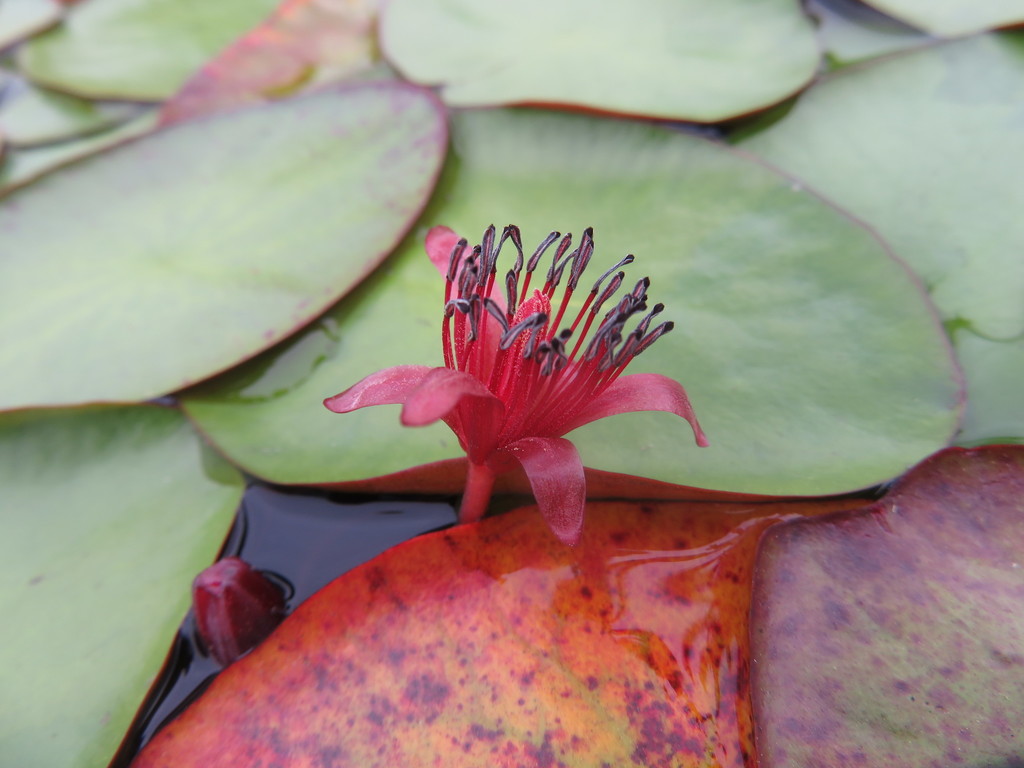
Brasenia is a genus belonging to the family Cabombaceae, consisting of one species, Brasenia schreberi. It is widely distributed in North America, the West Indies, northern South America (Venezuela, Guyana), eastern Asia (China, Japan, Korea, Primorye), Australia, the Indian Subcontinent, and parts of Africa.
Learn more »
metalmommysparkls observed one on 2026-09-26 in Monterey
Eastern Towhee
(Pipilo erythrophthalmus)
←
·
·
·
·
·
·
·
·
·
·
·
→
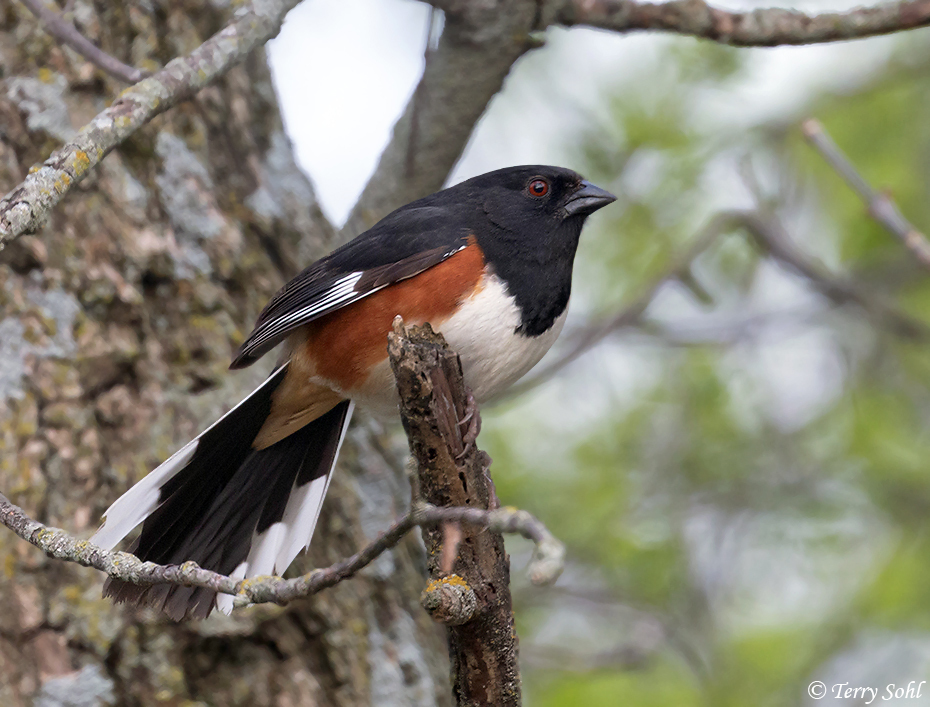
The eastern towhee (Pipilo erythrophthalmus) is a large New World sparrow. The taxonomy of the towhees has been under debate in recent decades, and formerly this bird and the spotted towhee were considered a single species, the rufous-sided towhee.
Learn more »
bev435 observed one on 2018-04-22 in New Castle County, DE, USA
Crustaceans
(Subphylum Crustacea)
←
·
·
·
·
·
·
·
·
·
·
·
→
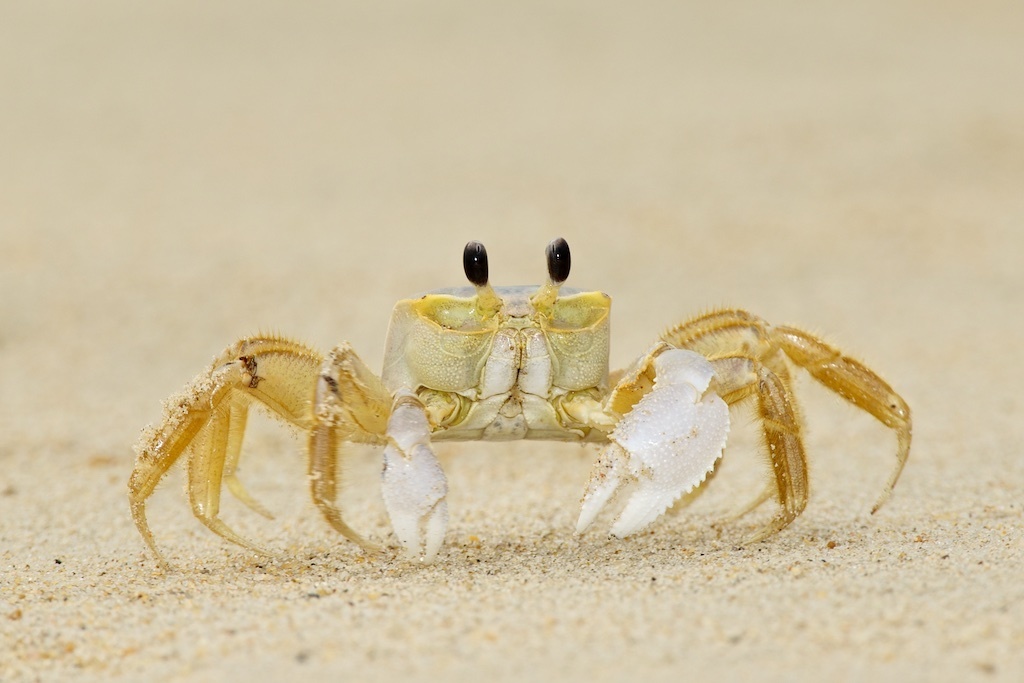
Crustaceans (Crustacea /krʌˈsteɪʃə/) form a large, diverse arthropod taxon which includes such familiar animals as crabs, lobsters, crayfish, shrimp, krill, woodlice, and barnacles. The crustacean group is usually treated as a subphylum, and thanks to recent molecular studies it is now well accepted that the crustacean group is paraphyletic, and comprises all animals in the Pancrustacea clade other than hexapods. Some crustaceans are more closely related to insects and other hexapod
Learn more »
lindberg207 observed one on 2026-09-30 in Austins Way, Gorham, ME, US
Primates, Rodents, and Allies
(Superorder Euarchontoglires)
←
·
·
·
·
·
·
·
·
·
·
·
→
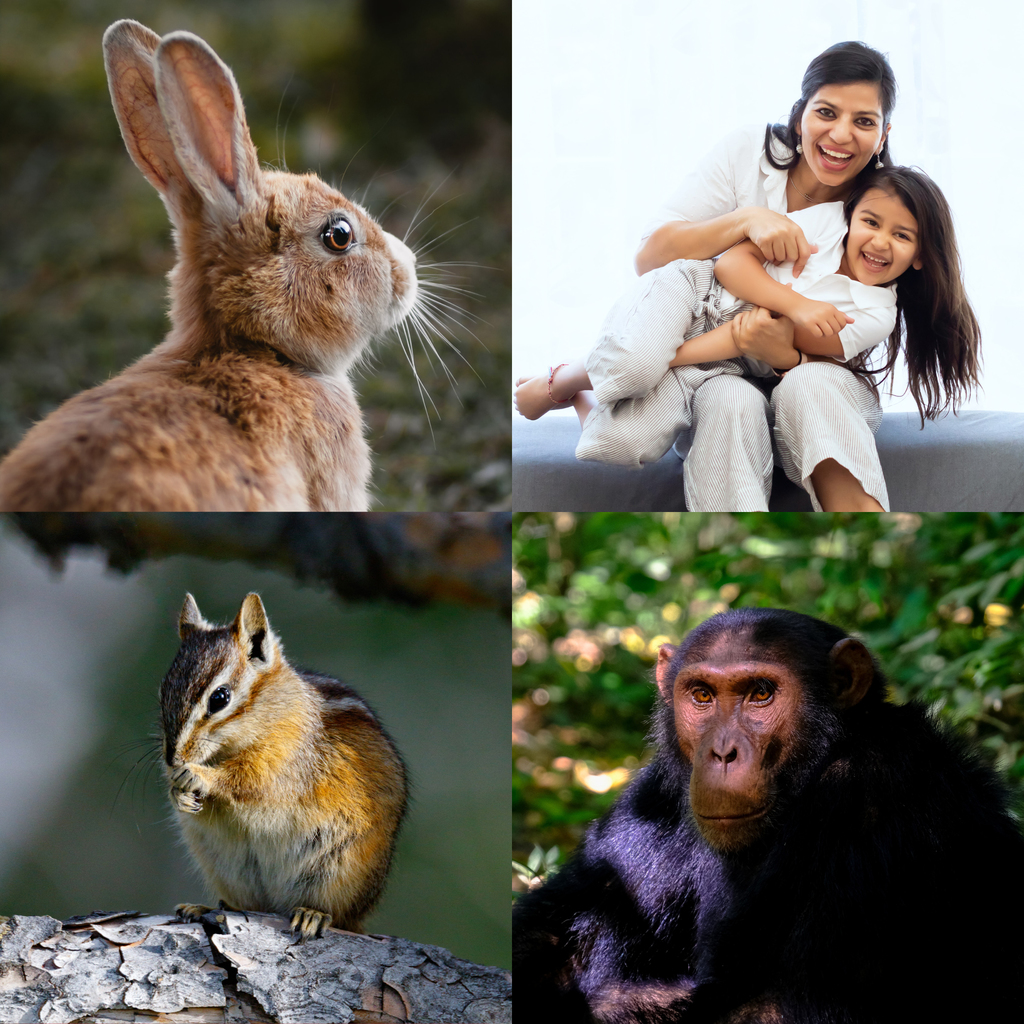
Euarchontoglires (synonymous with Supraprimates) is a clade and a superorder of mammals, the living members of which belong to one of the five following groups: rodents, lagomorphs, treeshrews, colugos and primates.
Learn more »
leila-esteves observed one on 2022-05-26 in Salta, Argentina
Variegated Yellow Pond-Lily
(Nuphar variegata)
←
·
·
·
·
·
·
·
·
·
·
·
→
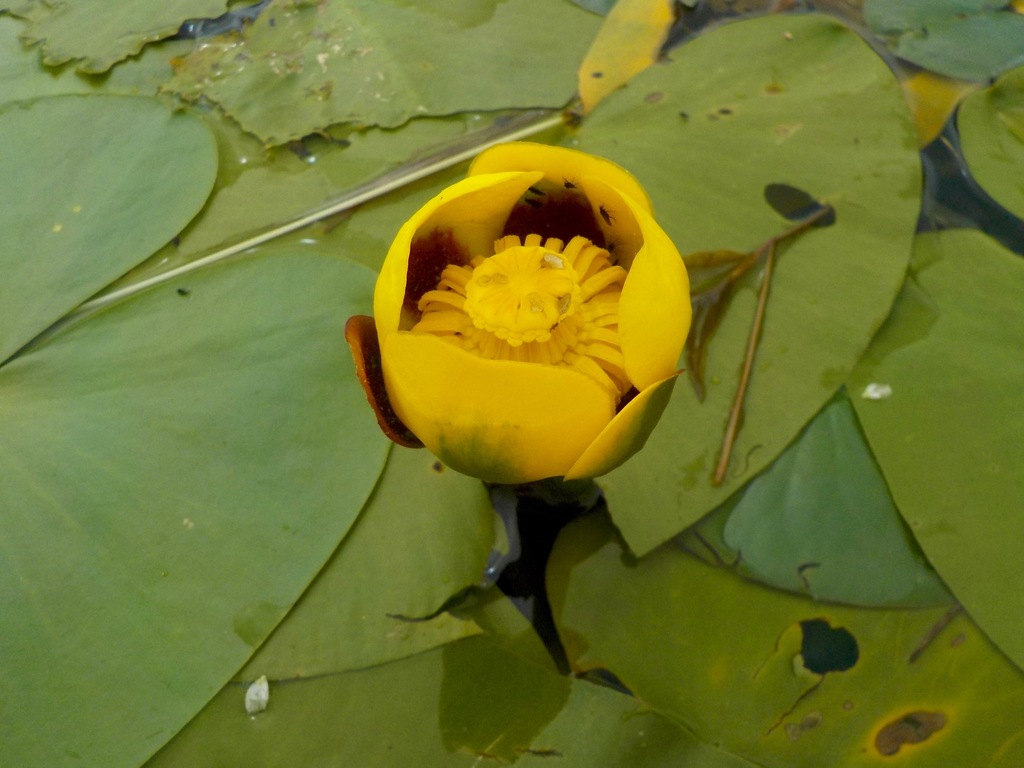
Nuphar variegata (the variegated pond-lily) is a plant in the water lily family, Nymphaeaceae. It is native to much of Canada and the northernmost United States.
Learn more »
silerruss observed one on 2026-10-05 in Canada
Mosquito Ferns
(Genus Azolla)
←
·
·
·
·
·
·
·
·
·
·
·
→
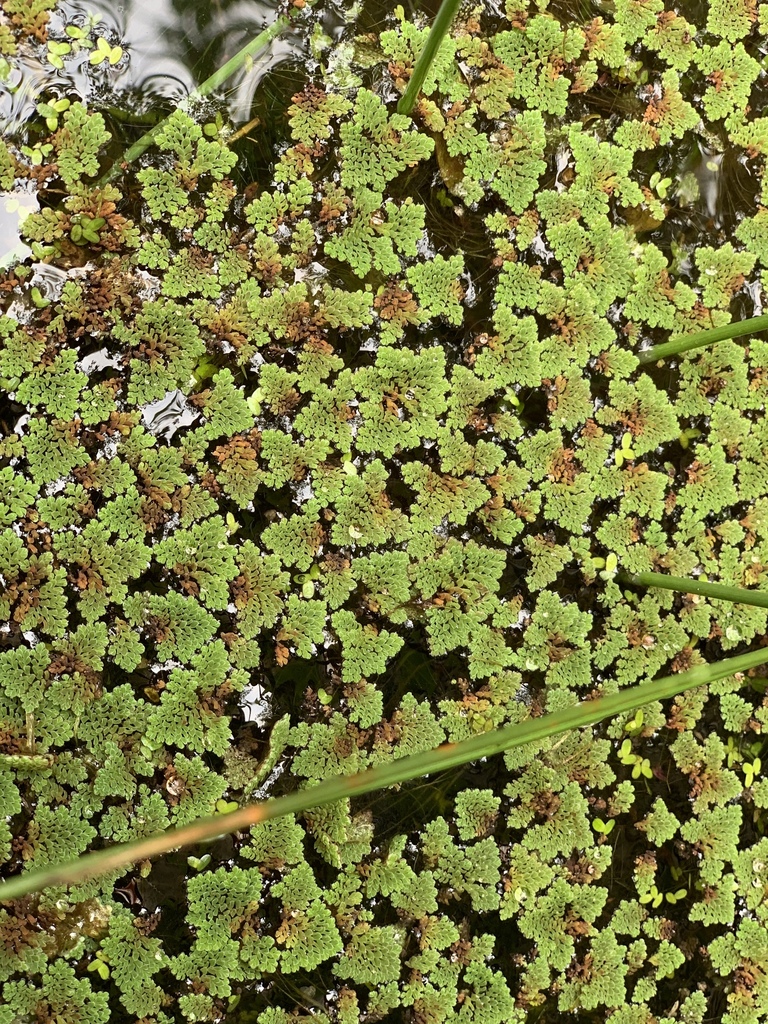
Azolla (mosquito fern, duckweed fern, fairy moss, water fern) is a genus of seven species of aquatic ferns in the family Salviniaceae. They are extremely reduced in form and specialized, looking nothing like other typical ferns but more resembling duckweed or some mosses.
Learn more »
wolfgang_ahlmer observed one on 2026-08-23 in Vanathavilluwa, Puttalam, Sri Lanka
Gran Sasso Mountain Grasshopper
(Podisma goidanichi)
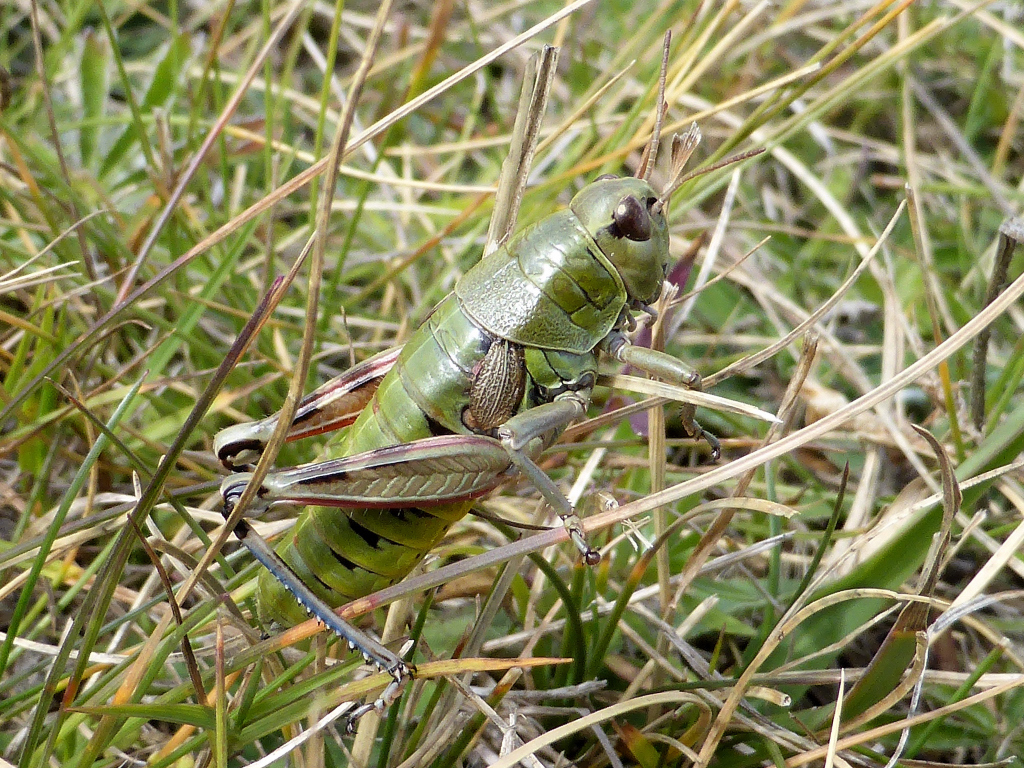
dariop9167 observed one on 2024-08-29 in Gran Sasso e Monti della Laga, Abruzzo, IT
Giant Waterlilies
(Genus Victoria)
←
·
·
·
·
·
·
·
·
·
·
·
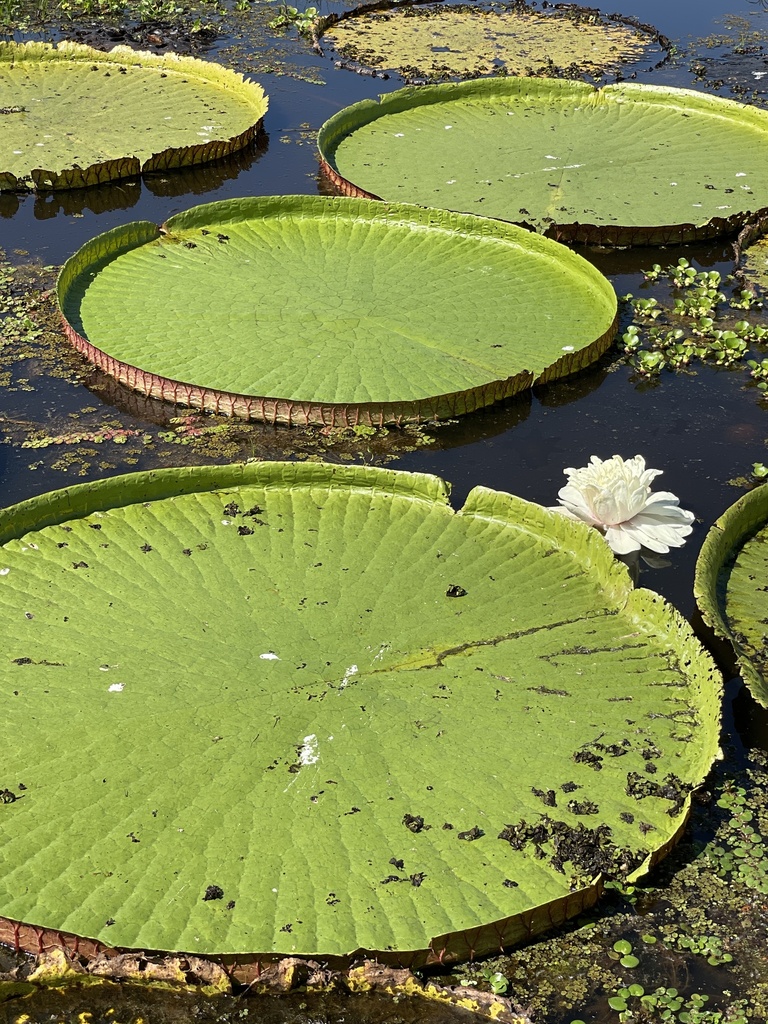
Victoria is a genus of water-lilies, in the plant family Nymphaeaceae, with very large green leaves that lie flat on the water's surface. Victoria amazonica has a leaf that is up to 3 metres (9.8 ft) in diameter, on a stalk up to 8 metres (26 ft) in length. The genus name was given in honour of Queen Victoria of the United Kingdom.
Learn more »
meng_dekuan observed one on 2026-10-06 in 中国北京市海淀区圆明园


Recently Observed
 Blue Jay
(Cyanocitta cristata)
on September 30, 2026
Blue Jay
(Cyanocitta cristata)
on September 30, 2026
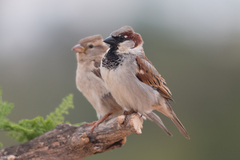 House Sparrow
(Passer domesticus)
on October 6, 2026
House Sparrow
(Passer domesticus)
on October 6, 2026
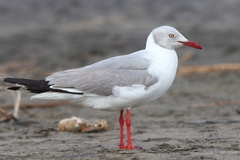 Gray-hooded Gull
(Chroicocephalus cirrocephalus)
on October 3, 2026
Gray-hooded Gull
(Chroicocephalus cirrocephalus)
on October 3, 2026
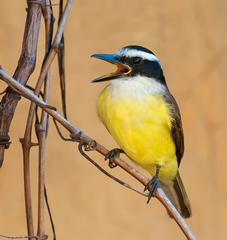 Great Kiskadee
(Pitangus sulphuratus)
on September 23, 2026
Great Kiskadee
(Pitangus sulphuratus)
on September 23, 2026
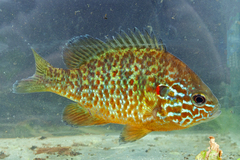 Pumpkinseed
(Lepomis gibbosus)
on October 6, 2026
Pumpkinseed
(Lepomis gibbosus)
on October 6, 2026